Counting the Cost of Christmas: How Langton’s 2026 Lights Are Funded, Approved and Switched On
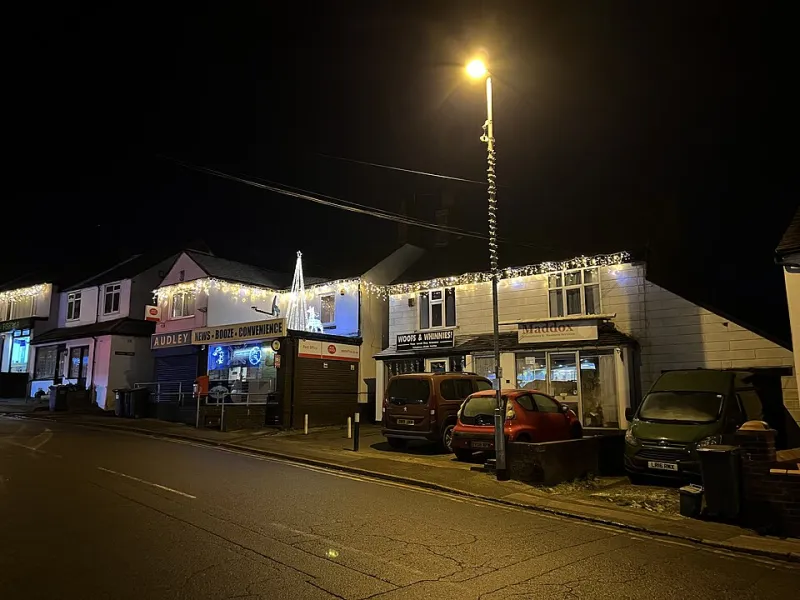
Photo: Jonathan Hutchins , CC BY-SA 2.0, via Wikimedia Commons
As the afternoons shorten and the first frosts settle on the verges, thoughts in Langton turn to the village Christmas lights. The display is now a familiar part of the local calendar, but the arrangements behind it are less well understood. This year, the parish council is keen to explain how the lights are paid for, who is responsible for switching them on, and how residents can influence what happens in 2027 and beyond.
The money behind the lights
The festive display is not funded from a single, ring-fenced pot. Instead, it is assembled from several sources. The parish council’s 2026-27 budget includes a contribution towards festive lighting, alongside a separate events budget that covers associated costs such as temporary signage and insurance. In recent years, the council has also sought to draw on small community grants and donations from local businesses, although these are not guaranteed and cannot be relied upon for core costs.
The largest hidden contribution is volunteer time. A small switch-on team, working with the parish clerk, coordinates installation, testing and the switch-on event itself. The council also pays for electrical testing, public liability insurance and any necessary safety checks. These are not optional extras: without them, the display could not proceed safely or lawfully.
Residents sometimes ask why the parish council does not simply buy more lights. The answer is that the budget must balance competing priorities, from footpath maintenance to play equipment. The council has confirmed that the 2026 display will proceed within the agreed budget, but it is using this year’s consultation to test appetite for a larger display, a more energy-efficient scheme, or a different approach altogether.
Who switches on?
The switch-on itself is a volunteer-led event, supported by the parish council. The switch-on team is made up of residents who give their time freely, and the council is grateful for that contribution. The clerk handles the administrative side: booking the site, liaising with the electrical contractor, confirming insurance and preparing a risk assessment.
Approval is not a single decision. The parish council must be satisfied that the event is safe, insured and properly organised. Depending on the final plans, a road closure or traffic management arrangement may be required, which would need approval from the highway authority. The council may also take advice from the local safety advisory group. These steps can appear bureaucratic, but they are the reason the event can take place without incident.
This year’s switch-on is provisionally scheduled for Saturday 5 December 2026, with the lights due to come on in the late afternoon. The exact time and location will be confirmed once the final risk assessment and any traffic arrangements are agreed. Residents should check the parish council’s noticeboard and website for confirmation before travelling.
Dates and how to have a say
The parish council has opened a consultation on the future of the village Christmas lights. A drop-in session will be held at the village hall on Saturday 14 November 2026, from 10am to 1pm, where residents can view outline plans and speak to councillors. An online survey is also available, and written comments can be sent to the parish clerk. The consultation closes on Friday 27 November 2026.
The council is asking three broad questions: whether residents want the display to remain broadly as it is, whether they would support a more ambitious scheme, and whether they would be willing to contribute through donations or sponsorship. No decision has been taken. The consultation is intended to inform the budget-setting process for 2027-28, not to reopen the arrangements for this year.
The bigger question: what kind of display?
There are practical considerations for future years. LED lighting is more energy-efficient than older bulbs, and timers can reduce running costs. Solar options are available but may not be reliable in a British winter. Sponsorship could fund additional features, but it raises questions about signage and commercialisation. Extending lights to surrounding hamlets would increase costs and require additional infrastructure.
These are not purely technical questions. They go to the character of the village and the way public money is used. The parish council has been careful not to prescribe an answer. Instead, it is inviting residents to weigh the trade-offs and say what they value.
For now, the 2026 display will go ahead within the agreed arrangements. The lights will be tested, insured and switched on by volunteers. The consultation is the opportunity to decide what comes next. Residents who want a say should note the closing date of 27 November 2026 and make their views known through the parish council.