A Pause, Not a Purchase: Langton’s Pub and the Limits of the Community Asset Register

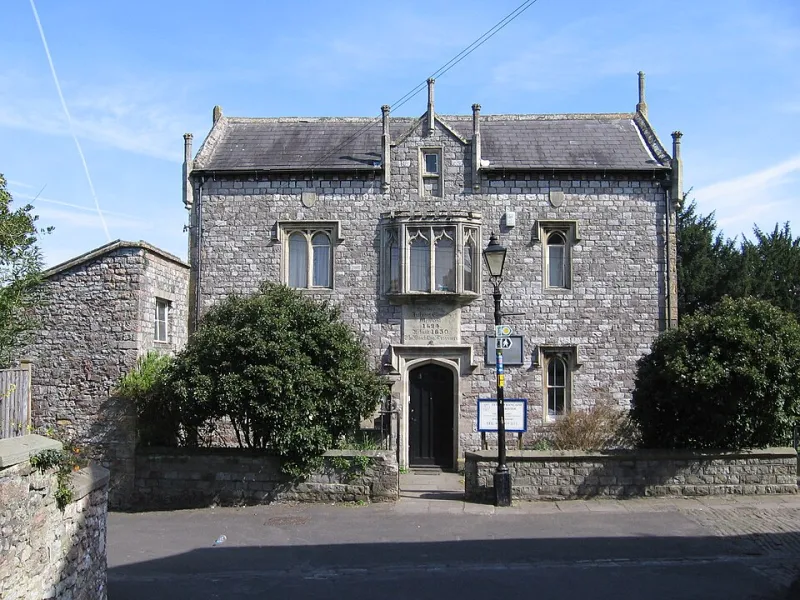
Photo: Basile Morin, CC BY-SA 4.0, via Wikimedia Commons
The appearance of a ‘for sale’ board on Langton’s last remaining pub has prompted a familiar question in the village: can the council step in? The short answer is that Langton Parish Council cannot buy the building, and nor can the district council. What the parish can do is nominate the pub for inclusion on the district’s Asset of Community Value register. That step would not rescue the pub. It would, however, buy the community time — and time is not the same as a solution.
What the register is, and what it is not
The Asset of Community Value register was created under the Localism Act 2011. It allows parish councils, neighbourhood forums and groups of at least 21 local electors to nominate land or buildings whose main use furthers the social wellbeing or social interests of the local community. If the nomination succeeds, the asset is listed for five years.
Listing is often described as a ‘protection’, but the word overstates the effect. The register does not confer ownership, does not restrict the owner’s ability to sell in ordinary circumstances and does not prevent a change of use. It does not oblige the owner to accept a community bid, nor does it fix a price. It is, in essence, a notification and delay mechanism. For a village anxious about losing its pub, that distinction matters.
The nomination file: evidence, not sentiment
The parish council or a community group would need to assemble a nomination that demonstrates the pub’s role in local life. Anecdote about good Sunday lunches is unlikely to suffice. The district council will look for evidence of social value: the pub’s use as a meeting place, its hosting of clubs or events, its role in reducing isolation, the services it provides and the extent to which those functions are not replicated elsewhere in the parish.
There is no fee to nominate. The district council aims to decide within eight weeks, though the statutory timetable allows longer. If the nomination fails, there is a right of review. If it succeeds, the owner has a right to request a review within eight weeks, and can appeal further to the First-tier Tribunal. The process is administrative, not adversarial, but it is not instant.
The six-month moratorium: a pause, not a purchase
The moratorium is the part most often misunderstood. Once an asset is listed, the owner must notify the district council if they intend to sell. That triggers a six-week period during which a community interest group may express an interest in bidding. If such an interest is expressed, a six-month moratorium follows.
During that period, the owner may not sell to anyone other than a community interest group, subject to limited exceptions. But the moratorium does not compel the owner to sell to the community. At the end of the six months, the owner is free to sell to whoever they wish, at whatever price they wish. The community’s window is real, but it is a window — not a guarantee. A bid would still need to be assembled, funded and agreed. The register buys time to prepare that bid; it does not provide the money or the mandate.
The costs to the parish
Nomination itself carries no application fee, but it is not costless. Parish council staff time is required to prepare the evidence, correspond with the district and respond to any review. If the parish decides to support a community bid, further costs may follow: legal advice, valuation, business planning and possibly the cost of incorporating a community benefit society. Those are decisions for the parish council, and ratepayers are entitled to ask how any precept money would be used and what the expected return is.
The district council also bears administrative costs in maintaining the register and processing nominations. Those costs are met from general taxation, not from the parish precept. Residents who ask ‘who pays?’ should be clear which body is spending and on what.
Where listing ends and planning begins
An Asset of Community Value listing can be a material consideration in a planning application, but it is not a planning designation in its own right. It does not prevent the owner from applying to change the use of the building, nor does it override local planning policy. If a future application were made to convert the pub to housing or retail, the listing would be one factor among many. It would not decide the outcome.
This is the boundary that residents should keep in view. The register is a procedural tool for community groups; it is not a preservation order, a subsidy or a veto. It can slow a process and create an opportunity. It cannot, on its own, keep a pub open.
A decision for Langton
The question now is whether the parish council wishes to nominate. That is a decision for councillors, and residents can make their views known at the next public meeting or by contacting their ward members. The evidence-gathering stage is the point at which local knowledge is most useful: which groups use the pub, what services it hosts, what would be lost if it closed.
But the parish should be honest about the limits. A successful listing would give Langton six months to organise, not six months of certainty. It would signal that the village values the pub. It would not, by itself, keep the doors open. That requires a buyer, a business plan and a price that both sides accept — none of which the register can supply.