Digging In: Why Langton's Would-Be Growers Are Facing an Eleven-Year Wait
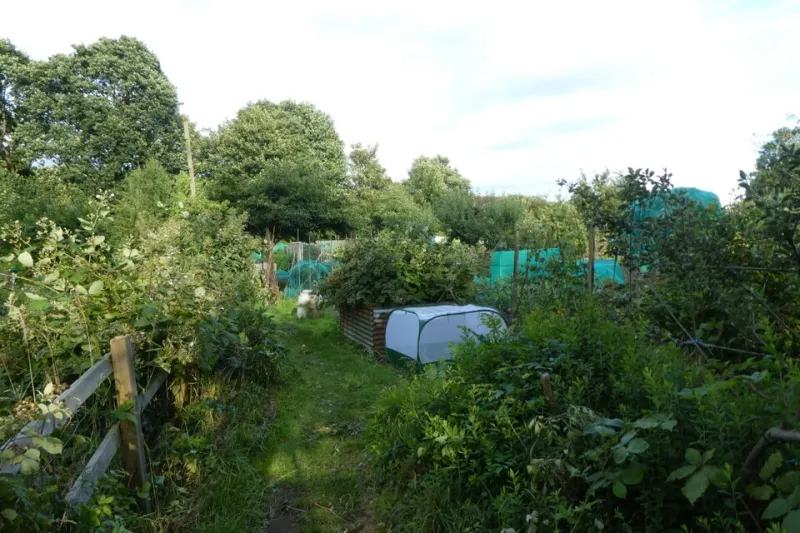
Photo: DS Pugh , CC BY-SA 2.0, via Wikimedia Commons
Ask anyone on Langton's allotment waiting list how long they expect to wait and you will get a number somewhere between five years and forever. The council's own figures suggest that the pessimistic answer is closer to the truth.
This is a practical guide to how the list works, who gets a plot, what the tenancy agreement demands of you, and what the parish council might do about the shortage.
Two hundred and fourteen names
As of 1 October 2026, 214 households are registered on Langton's allotment waiting list. There are 63 plots across three sites: Mill Lane, which is the largest and oldest with 34 plots; Watermeadow, with 18; and Orchard Close, with 11.
In the twelve months to September 2026, six plots changed hands. That figure is broadly typical. Apply simple arithmetic and the average wait sits at something over eleven years for a newcomer joining today at the back of the queue.
Around 40 per cent of the current list are households that joined in the past two years. The remainder have been waiting considerably longer, and a handful have been on the register since before the parish council took over management of the sites in 2019. The council says it reviews the list annually and removes anyone who no longer wishes to be considered, but it has not published the number of names removed in the last review.
How a plot is actually allocated
Plots are not allocated on a first-come, first-served basis in the strict sense. When a tenancy ends, the clerk works down the list in date order, but the list is divided into two bands. The first band covers residents of Langton parish itself; the second covers residents of adjoining parishes. Within each band, the ordering is by the date of application.
A household may only hold one plot, and the tenancy is in the name of an individual rather than a household, which means a spouse cannot apply separately to double the chances. Applicants must ordinarily reside within the parish or an adjoining parish at the point of allocation; moving away during the wait removes you from the register.
The practical consequence is that residents of the neighbouring parishes should expect to wait materially longer than the headline eleven years, because parish-band applicants are always served first.
The rules newcomers miss
The tenancy agreement runs to six pages. Four clauses catch people out.
First, cultivation. A new tenant must bring at least a quarter of the plot into cultivation within three months of taking up the tenancy, and demonstrate reasonable progress across the whole plot within twelve months. Plots are inspected, though the council does not publish an inspection schedule.
Second, the probationary year. Every new tenancy is probationary for the first twelve months. A tenant who fails inspection during that period may have the tenancy terminated without the longer notice period that applies afterwards.
Third, structures. Sheds, greenhouses and polytunnels require written consent, and there are height and footprint limits set out in the schedule. A shed erected without consent may be removed at the tenant's cost.
Fourth, water and bonfires. There is no mains water at Watermeadow or Orchard Close, and tenants there rely on water butts and communal standpipes between April and October. Bonfires are permitted only between 1 November and 28 February and never before 6pm, a rule that is enforced largely by neighbourly disapproval.
Annual rent for a full plot is £68, or £34 for a half plot, payable in April. Concessions apply to those over 65 and to holders of a recognised disability benefit.
Overgrown plots and the awkward question
Every allotment site in the country has them: plots that are half bramble, half guilt. In Langton the council's position is that it will not terminate a tenancy on the grounds of neglect alone until inspection, written notice and a reasonable period to remedy have all been exhausted. That process, the clerk has said, typically takes between six and nine months.
Residents frequently ask why the council does not simply evict and re-let. The answer is legal rather than sentimental: without documented process, terminations are challengeable, and a failed termination costs more time than a slow one. The council has, however, indicated that it is reviewing the inspection timetable with a view to shortening it.
Four options for new growing space
The parish council's open spaces working group has discussed, without yet recommending, four routes to additional plots.
- A new site. A field off the northern lane has been identified as potentially suitable, subject to a drainage survey and access. It could accommodate around twelve plots, at an estimated capital cost the council has not published.
- Subdivision. Converting a proportion of full plots to half plots at Watermeadow would add roughly nine tenancies without any new land, though it would reduce the size of existing holdings.
- Community growing. A shared orchard and raised-bed scheme on council-owned land, which would not create individual tenancies but would give more households somewhere to grow.
- Priority bands. Reserving a small number of plots each year for new residents and younger households, a change that would alter the ordering of the existing list and would need careful consultation.
None of these has been costed in public, and none is scheduled for decision at a named meeting. In the meantime, the list grows, the plots turn over at six a year, and the arithmetic does the rest.
Anyone wishing to join the waiting list can do so through the parish office; the form requires proof of address and a small administration fee, refundable on allocation.