Potholes, Streetlights and Fly-Tipping: Who Actually Fixes What in Langton?
Photo: Underwaterbuffalo, CC BY-SA 4.0, via Wikimedia Commons
A pothole appears overnight. A streetlight stays dark for a week. Fly-tipping is dumped on a verge, and an overgrown footpath becomes impassable. In each case, the instinct is to contact the parish council. Sometimes that is right. Often it is not. Langton’s parish council has a narrow set of responsibilities, and misdirected reports can delay a fix.
This guide sets out who is responsible for common local problems and what to include when reporting them. It is not a substitute for the council’s own published contact details, but it should help residents get to the right place first time.
Start with the parish council, but check the boundary
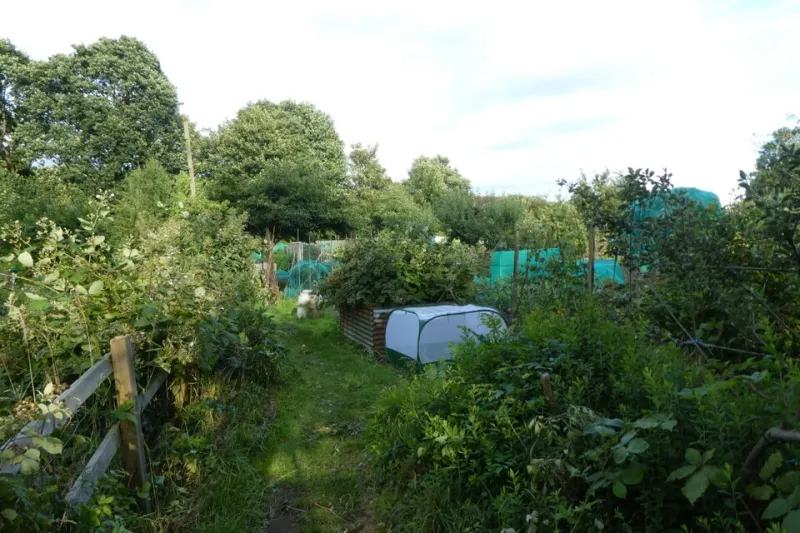
The parish council is the tier of local government closest to residents. It is responsible for allotments, play areas, village greens, bus shelters, benches, noticeboards and some footpaths on parish land. It also organises or supports community events, including the Christmas lights. It can report problems to other authorities, but it cannot compel the county council to repair a road or the district council to clear waste from public land.
If a problem concerns parish-owned land or equipment, contact the parish clerk. Include the location, a photograph and a description of the issue. If the problem is on a highway, a public right of way or a district council site, the parish council can pass the report on, but the responsible authority will need the details directly.
Potholes and road defects: the county council
Potholes, damaged kerbs, broken road signs and faulty drainage on public roads are generally the responsibility of the county council as highway authority. Reports should go to the county’s highways team. Include the road name, the nearest property or landmark, the direction of travel, the size and depth of the defect, and a photograph if it is safe to take one. A what3words location can be helpful on rural lanes.
If the defect is an immediate danger, such as a deep pothole in a busy carriageway, telephone the highways team rather than relying on an online form. Do not attempt to photograph or measure a defect while standing in a live traffic lane. Safety comes first.
Streetlights: county responsibility, unless the parish owns the column
Most streetlights in Langton are the county council’s responsibility. The column should carry an identification number, usually on a small plate. Report the number, the street name and the nature of the fault, such as a light that stays on during the day or remains dark at night. If the column has been damaged, say so clearly and keep away from it.
Some lights on parish land or on private estates may be owned by the parish council, a housing developer or a management company. If the column has no county identification number, check with the parish clerk before assuming the county will attend.
Fly-tipping: the district council
Fly-tipping on public land is usually the district council’s responsibility. This includes waste dumped on verges, laybys and council-owned car parks. Report the location, the type and quantity of waste, and any access restrictions. Photographs are useful, but do not touch the waste or open bags. Hazardous materials, such as asbestos or chemicals, should be reported by telephone and kept well clear.
Fly-tipping on private land is generally the landowner’s responsibility. The district council may investigate and can take enforcement action, but it will not usually clear waste from private property. If you witness fly-tipping, note the time, the vehicle registration number and a description, but do not confront anyone.
Overgrown footpaths and verges: it depends on the path
Public rights of way, such as footpaths and bridleways, are generally the county council’s responsibility. Report obstructions, broken stiles, missing waymarks or paths that are impassable. Include the path number if you know it, or a clear location and a photograph.
Verge cutting can be more complicated. The county council is responsible for visibility splays on highways, while the district council may deal with some environmental maintenance. Parish councils sometimes arrange additional cutting on parish land. If a verge is obstructing a sightline, report it to the county highways team as a safety issue.
Utilities: water, gas, electricity and broadband
Leaks, gas escapes, power cuts and broadband faults should go to the relevant utility company. Water leaks on public roads can also be reported to the county council, which may need to close the road. Gas escapes should be reported immediately to the gas emergency service, and residents should follow safety advice. Power cuts should be reported to the distribution network operator. Do not assume the parish council can speed up a utility repair; it cannot.
What to put in every report
A good report saves time. Include the exact location, using a postcode, address, landmark or what3words reference. State the date and time you saw the problem. Describe what is wrong and whether it is a safety risk. Attach photographs if it is safe to do so. Give your name and contact details if you are willing to be contacted, and keep a note of any reference number.
Keep a record and escalate if needed
Authorities receive large volumes of reports. A reference number is your proof that the report was received. If nothing happens within the published timescale, follow up with the reference number. If the problem is serious or recurring, contact your parish councillor or district councillor and ask them to chase it. They cannot promise a fix, but they can help ensure the report has reached the right team.
The rule is simple: fix what you can safely fix, flag what you cannot, and forget it once it is with the right authority. Getting the route right is the difference between a report that sits in the wrong inbox and one that leads to action.