The Surcharge Next Door: Empty Homes, Second Homes and Langton’s Council Tax Ledger
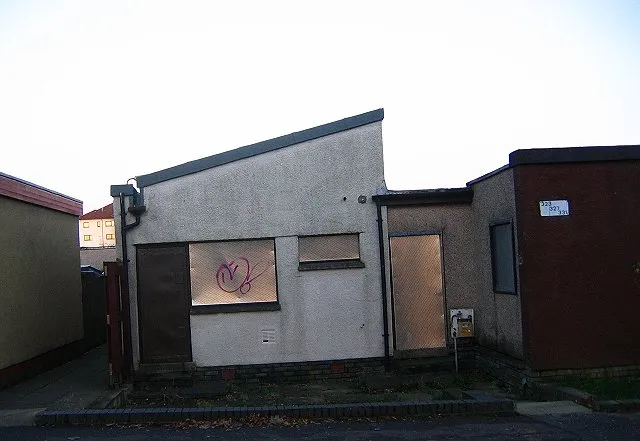
Photo: Richard Webb, CC BY-SA 2.0, via Wikimedia Commons
A house that is no one’s home still attracts a council tax bill. In and around Langton, a small number of properties are second homes or long-term empty homes, and since April 2025 the billing authority has had wider powers to charge a premium on them. The policy is often described as a lever to bring homes back into use. It is also a revenue measure. The local question for 2026 is which description fits Langton better.
What the premiums are
Council tax premiums are additional charges on top of the standard bill. In England, the long-term empty homes premium applies after a property has been empty for one year. The premium is 100 per cent after one year, 200 per cent after five years and 300 per cent after ten years. The second homes premium can be charged from April 2025, up to 100 per cent, where a property is substantially furnished but is no one’s sole or main residence. The exact rules are set out in national regulations and in the billing authority’s local policy.
Langton does not set these premiums. The billing authority, normally the district council, administers council tax and decides whether to apply the discretionary elements within the national framework. The parish council receives a precept, which is a small share of the total bill. The county council, police and fire authorities also receive shares. A premium on a band D property in Langton therefore does not land in the parish clerk’s bank account. It enters the collection fund and is distributed through the council tax system.
Who pays and who does not
Not every empty property is liable. Statutory exemptions can apply, for example where a property is empty because the owner has died and probate is ongoing, or where the owner is in care or has moved to receive care. There are also exceptions for properties undergoing major repairs, although these are time-limited, and for certain job-related dwellings. Second homes may be exempt in specific circumstances, such as where the dwelling is job-related or forms part of a larger property. The detail matters, and it is not always obvious from the outside.
A property that looks empty may not be classified as empty for council tax purposes. A furnished house used at weekends may be a second home. A house left empty for six months may still be within the initial exemption period. A house being renovated may be exempt for a period. Residents who believe their property should be reclassified, or who want to claim an exemption, must apply to the billing authority with evidence. The authority, not the parish council, decides.
Where the extra revenue goes
The premium is not ring-fenced by default. It forms part of the council tax collection fund. The billing authority uses the fund to meet its own budget and to pay precepts to other authorities. In practice, the extra revenue may support general services rather than a specific housing programme. Some councils choose to use a share of the money for homelessness or empty homes work, but that is a local decision, not a national requirement.
This is the point at which local accountability becomes difficult. A resident can see the council tax bill, but not the premium separately. The billing authority publishes its council tax base and its budget, but the number of second homes and long-term empty homes in a parish is not always broken down. Langton Times has asked the billing authority for the 2026-27 figures for the Langton area, including the number of properties subject to each premium, the amount raised and the number of exemptions granted. If the figures are provided, they will be published.
The local question
The case for the premium is straightforward. Housing in Langton is expensive, and a home that is empty or used only occasionally is a home that is not available to a household that needs it. The premium raises the cost of leaving a property empty and may encourage an owner to sell or let. The case against is also straightforward. A premium is a charge, not a house. It may raise money without changing use, particularly where the owner can absorb the cost or where the property is a second home used for work or family reasons.
To know which effect dominates, residents need evidence. They can ask how many properties have moved from empty to occupied since the premium was introduced. They can ask how many second homes have become long-term rentals. They can ask whether the council has an empty homes officer and what enforcement action it takes. They can ask whether the premium is reviewed alongside the local plan and housing strategy. Without that evidence, the policy is a signal as much as a tool.
What residents can ask to see
The billing authority’s council tax policy, its premium policy and its annual council tax base are public documents. Residents can ask for the number of dwellings in each band in the Langton area, the number of second homes and long-term empty homes, the number of exemptions and discounts, and the amount of premium revenue collected. They can ask the parish council whether it has made representations on the policy and what it has received in precept.
The premium is not a cure for the housing shortage. It is a charge on a use of property that councils have decided to discourage. In Langton, the test is whether it is doing more than raising money. The answer will be found in the numbers, and the numbers should be available to the people who pay the bills.