When Neighbours Become Case Files: Langton's Planning Enforcement Queue
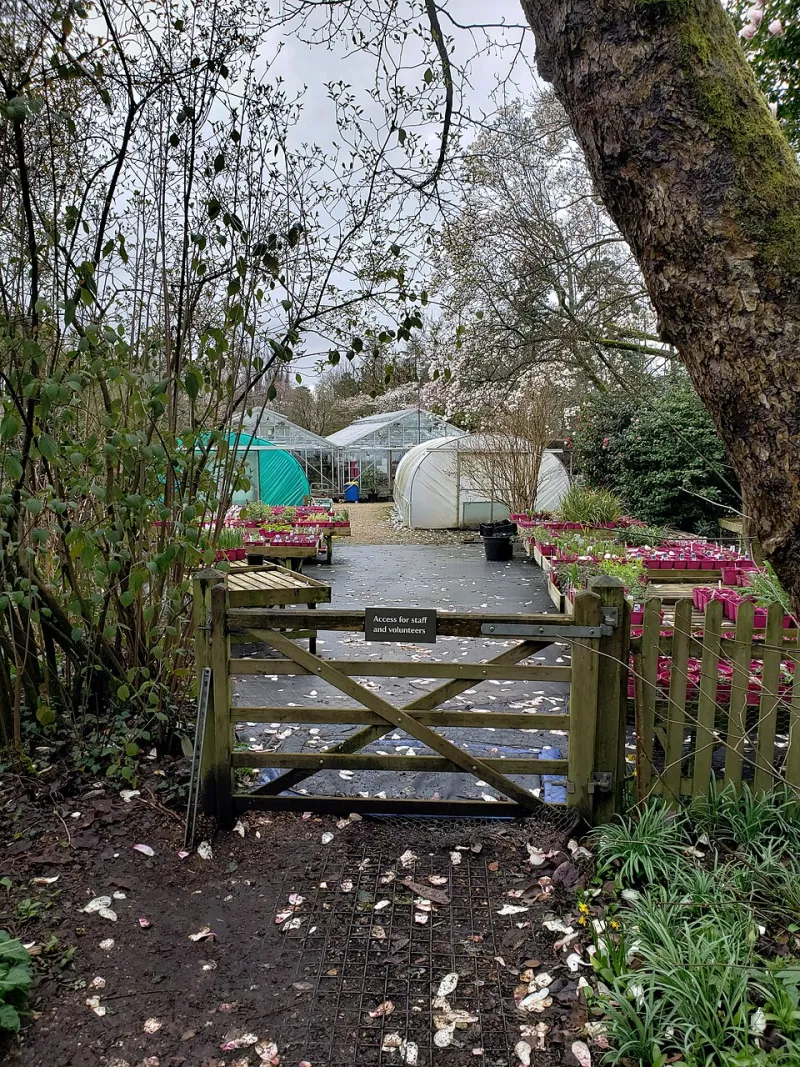
Photo: Andy Li, CC0, via Wikimedia Commons
On a quiet lane at the edge of Langton, a garden room sits behind a fence. It is modest, timber-clad and, according to a neighbour, larger than it first appeared. The structure is at the centre of a planning enforcement complaint that has been with Langton Council for several months. It is not an unusual case. Across the parish and the surrounding villages, similar files concern extensions, outbuildings, changes of use and tall hedges. Each one begins with a resident who believes something has been built, altered or used without permission. Each one must then be weighed by a council whose enforcement powers are broad in law but limited in practice.
The shed at the end of the garden is therefore less a story about one structure than about a queue. Planning enforcement is often imagined as a compliance service that responds to every breach with a notice and a deadline. In reality, it is a discretionary regulatory function. Langton Council must decide not only whether a breach has occurred, but whether it is expedient to act. That judgment — and the resources behind it — helps explain why some cases are resolved in weeks while others linger for months.
A complaint is not a command
Planning enforcement in England is not a call-out service. A complaint to the council does not automatically trigger formal action, and it does not give the complainant a right to demand a particular outcome. The local planning authority must first establish what has happened, whether planning permission was needed, and whether the breach is one it can and should pursue.
Langton's enforcement pages point residents towards the council's online complaint form. From there, a case is usually logged, acknowledged and assessed against the planning history of the site. Officers may check whether permitted development rights apply, whether a previous permission exists, and whether the complaint concerns a matter that planning controls can address at all. Some disputes — boundary lines, restrictive covenants, private nuisance and most concerns about household hedges — sit outside the planning system. High hedges, where they meet the legal test, are handled under separate legislation, not as a planning breach.
That distinction matters. A tall hedge can dominate a neighbour's light and still not be a planning enforcement case. A garden room can be perfectly lawful if it falls within permitted development limits; if it exceeds them, it may need a retrospective application rather than immediate removal. Enforcement is therefore not a general neighbourhood dispute service. It is a targeted power to remedy harm to the public interest.
From inbox to outcome
A typical case follows a familiar sequence. A complaint arrives, often with photographs. An officer checks the planning register and may ask the owner for information through a planning contravention notice. A site visit follows. If the breach appears genuine and significant, the council may invite a retrospective planning application. That route can regularise the development without formal enforcement, but it can also add months to the timetable.
Where negotiation fails, the council may issue an enforcement notice. The notice must specify the breach, the steps required and the period for compliance. There is a right of appeal to the Planning Inspectorate, and an appeal suspends the notice until it is determined. If the notice is upheld and ignored, the council can prosecute or take direct action. Each stage carries evidential and legal requirements. A case that looks straightforward from the pavement can become complicated once ownership, immunity periods and planning history are examined.
Immunity is one reason. Operational development — building works — generally becomes immune from enforcement after four years, while some changes of use become immune after ten. A long-standing shed may therefore be beyond reach even if it was built without permission. Enforcement cannot turn back the clock indefinitely. It can require remediation, but it cannot award compensation, settle a boundary dispute or guarantee a neighbour's view.
Why the queue grows
The backlog is partly a resourcing problem. Planning enforcement competes for officer time with development management, appeals, listed building advice and pre-application work. Recruitment and retention in local authority planning are difficult, and cases often require legal support. A small team facing a rising volume of complaints will inevitably triage. The most serious cases — unauthorised works in sensitive locations, breaches causing clear harm, or active development without permission — will generally come first.
But resourcing is not the whole explanation. There is also a policy gap. Councils can publish enforcement priorities, service standards and decision logs, yet these are not always visible to residents. Without a clear triage matrix, complainants may interpret silence as indifference. Without regular reporting on open cases and average timescales, the backlog becomes a matter of anecdote rather than accountability. Langton Council's enforcement register records formal notices, but it does not by itself explain the queue that forms before a notice is issued.
A clearer public contract would not eliminate the backlog. It would, however, set expectations. Residents could see how cases are ranked, what evidence is required and when they will receive an update. Members could scrutinise trends rather than individual files. Officers could point to agreed priorities when resources are stretched.
What enforcement can and cannot achieve
Enforcement is a remedy of last resort, not a substitute for planning permission. It can require unauthorised development to be removed or altered. It can stop harmful works and, in serious cases, lead to prosecution. It cannot make a neighbour more popular, resolve a civil dispute or force a landowner to build exactly what an objector would prefer. Nor can it remedy every breach: some are immune, some are trivial, and some are simply not planning matters.
The shed at the end of the garden will eventually receive an answer. Whether that answer is a retrospective permission, an enforcement notice or a decision that no further action is expedient, it will be shaped by the same pressures facing the wider queue. The question for Langton is not whether enforcement should be perfect. It is whether the council can be clearer about what it will chase, how long it will take and who decides. That is a question of policy as much as resources — and it will not be settled by a single case file.