Where the Path Stops: Langton’s Rights of Way and the Chain of Responsibility
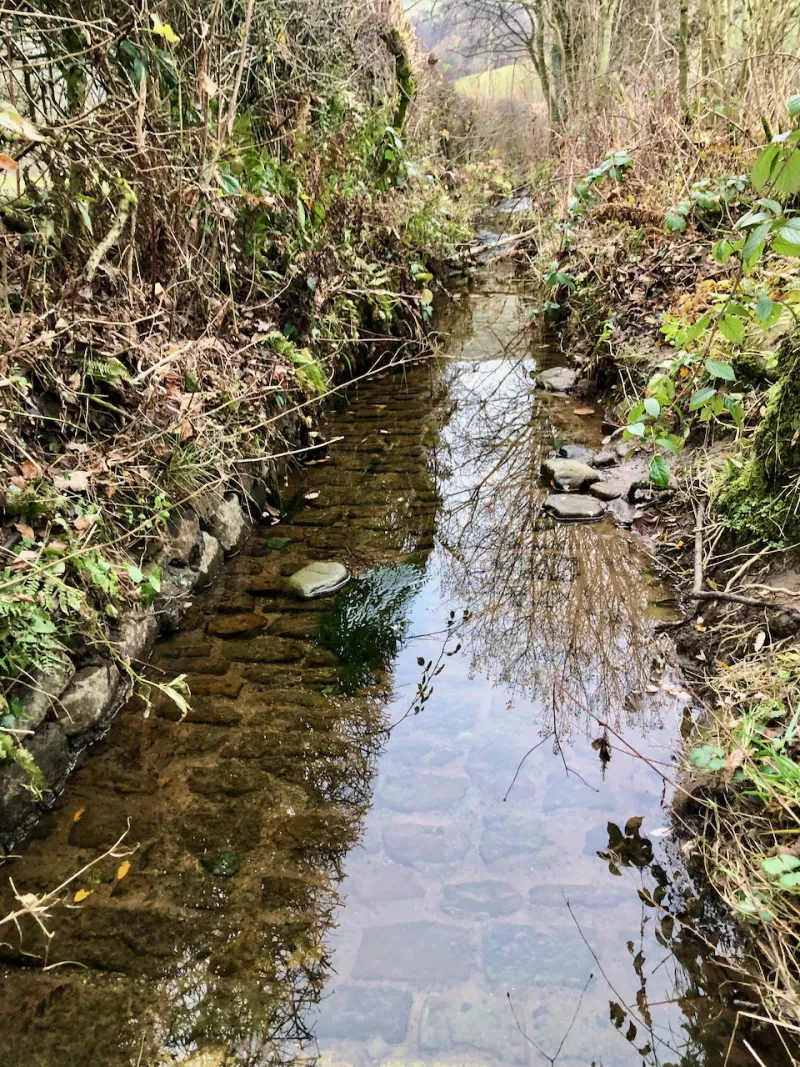
Photo: Mick Garratt , CC BY-SA 2.0, via Wikimedia Commons
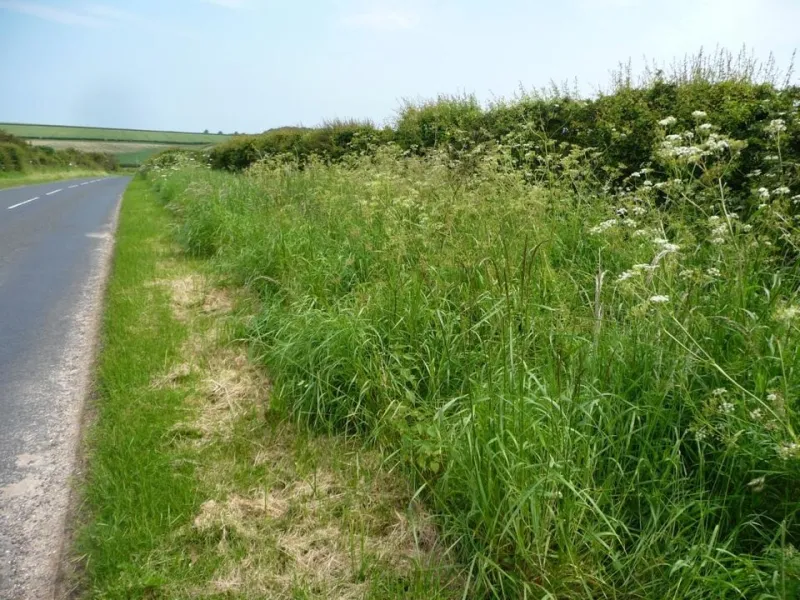
On a morning in February 2026, a walker heading west from Church Lane found the way blocked. Brambles had closed over the path at shoulder height, and the wooden stile at the field boundary had lost a step. The walker reported it to Langton Parish Council. Three weeks later, a county rights of way officer inspected. By the middle of April, the brambles had been cut back and the stile repaired. The path was open again, but the sequence of events says as much about the system behind it as about the thorn bushes themselves.
A public highway, but not a council-owned one
Public rights of way are highways in law, even when they cross private land. In England, the county council is normally the highway authority for footpaths, bridleways and restricted byways. It has a duty to assert and protect the public’s right to use them and to keep the definitive map and statement under review. That map is the legal record of where the paths run. It is not a maintenance schedule, and it does not tell a walker who last cut the hedge.
Responsibility is split. The highway authority is responsible for the surface of the path in the same way it is responsible for other highways, although the standard expected on a rural footpath is not the same as on a road. Landowners and occupiers have duties in relation to stiles, gates and barriers. They must keep them in a safe condition and ensure they do not obstruct the path. Bridges can be the responsibility of the highway authority or the landowner, depending on their history and status. Where a path crosses a field, the crop may be a temporary obstacle; where a tree falls, the question is who owns the tree and who has the power to clear it.
The parish council is often the first body residents contact. It has powers to maintain footpaths and can spend money on signs, clearance and small repairs, but it is not the highway authority. Its role is practical and political: it can inspect, report, press and sometimes fund. In Langton, the parish clerk keeps a rights of way log. Each entry records the date, location, problem and the body contacted. The log is not a statutory document, but it is the parish’s memory.
One path, from complaint to clearance
The path in question is Footpath 12, which runs from Church Lane to the Bramble Field. The parish log records the report on 14 February. The clerk passed it to the county council’s rights of way team and to the landowner. The county officer visited on 6 March and found two issues: an overgrown surface and a defective stile. The overgrowth was an obstruction; the stile was a structure. They needed different responses.
The landowner was asked to repair the stile. The county council arranged clearance of the path surface. The work was done in stages. A contractor cut the brambles on 2 April. The stile was repaired by the landowner’s contractor on 11 April. The parish clerk closed the log on 15 April after a second inspection. The elapsed time was nine weeks. That is not unusual for a rural path with a split responsibility, but it is long enough for a walker to give up.
The case also shows why a precise report matters. The original report said the path near the old oak was blocked. The officer needed a grid reference, a photograph and a description of the obstruction. The parish clerk added these before sending it on. A report that says a path is overgrown may lead to a letter. A report that says the brambles are blocking the stile at grid reference SU 123 456, with a photograph taken from the road, is more likely to lead to a visit.
How to report a problem
Residents can report rights of way problems directly to the county council. Most authorities provide an online form or a dedicated email address. The parish clerk can also log the issue and pass it on. A useful report includes the path number if known, the nearest road or property, a grid reference or what3words location, photographs, and a note of whether the problem is an obstruction, a damaged structure, a misleading sign or a surface issue.
It is worth keeping the reference number. If nothing happens, the next step is a follow-up to the rights of way team, then a formal complaint to the county council. The Local Government and Social Care Ombudsman can consider complaints about council failure, but usually only after the council’s own complaints process has been used. For stiles and gates, the highway authority can serve notice on the landowner. For obstructions, it has powers to require removal. These powers are not self-executing. They depend on an officer having the time to inspect and the will to enforce.
What residents can ask to see
The definitive map and statement are public documents. The parish council’s rights of way log, its minutes and any correspondence it holds are also open to inspection, subject to the usual limits. Residents can ask the county council for its rights of way improvement plan, its maintenance programme and any enforcement notices served on land in the parish. They can ask the parish council what it spent on path maintenance in 2026-27 and which paths it prioritised.
The Bramble Field path is open again. The brambles will grow back. The stile will weather. The chain of responsibility is only as strong as its weakest link, and the link is often a report that nobody makes or a letter that nobody answers. For Langton, the lesson is not that the system is broken. It is that the system needs witnesses.