The Hall’s Balance Sheet: Bookings, Bills and the Common Room
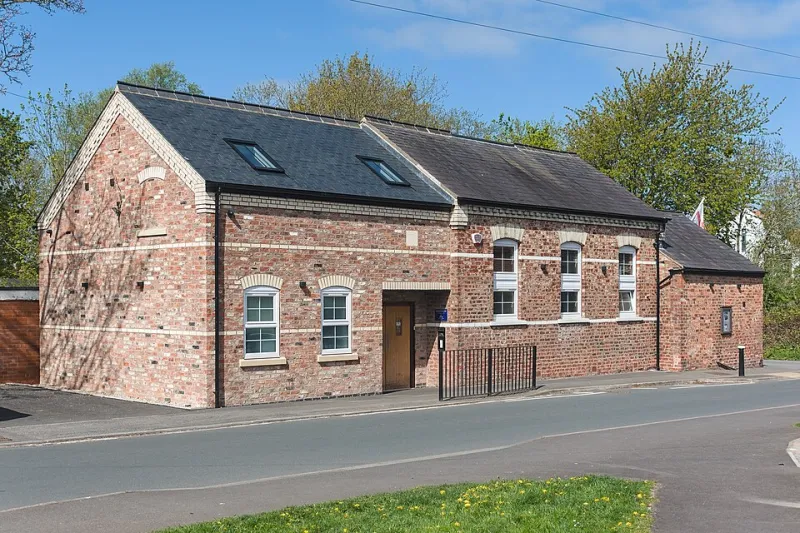
Photo: Tadeusz Hare, CC BY-SA 4.0, via Wikimedia Commons
The booking book at Langton Village Hall is a record of ordinary life. On a Monday morning it lists the toddler group. On Tuesday evening it lists badminton. On Thursday it lists the women’s institute, and on Saturday it lists a birthday party with a bouncy castle. The handwriting changes, but the pattern does not. The hall is hired, used, cleaned and hired again. Behind the pattern is a balance sheet that few hirers see.
The rate card
The hall is a charitable trust, not a council building, although the parish council has historically supported it. Its hire rates for 2026-27 are set by the trustees. The main hall costs £18 an hour for residents and community groups, £26 for commercial hirers and £12 for registered charities. The small room costs £10 an hour. The kitchen costs £6 an hour, or £30 for a full day. Regular block bookings receive a 10 per cent discount. The trustees say the rates are reviewed each year against utility bills, insurance and maintenance costs.
Those rates are not the whole cost. A hirer who books the main hall for a children’s party also uses heating, lighting, water and cleaning. The trustees estimate that the true cost of an hour in the main hall is closer to £24 once those overheads are included. The difference is covered by the hall’s reserves, fundraising and the occasional grant. The hall is not a business, but it cannot ignore the bills.
The regulars
The booking book shows that regular hirers are the hall’s backbone. The toddler group meets three mornings a week in term time. The badminton club uses the main hall on Tuesday and Thursday evenings. The women’s institute meets monthly. A lunch club for older residents uses the small room and kitchen on Fridays. The food bank uses the lobby on Saturday mornings. These groups pay the community rate, and some receive a discretionary reduction.
The trustees are careful about the balance. If rates rise too far, the groups that make the hall a community asset may leave. If rates stay too low, the building suffers. One trustee, Margaret Ellison, said the hall needs both. She said: “We want the toddler group and the lunch club here. We also need to replace the boiler.” The trustees have asked the parish council for a grant towards heating improvements, but no decision has been made for 2026-27.
The fabric and the bills
The hall’s maintenance backlog is not hidden. The trustees keep a schedule that lists the roof, the heating system, the kitchen units and the floor in the small room. The roof is the largest item, with an estimated cost of £18,000 for repairs to the south slope. The heating system is expected to cost £7,500 to replace. The kitchen units are dated and would cost about £4,000 to renew. The floor in the small room has a soft patch near the door.
Insurance is another fixed cost. The hall pays about £2,400 a year for buildings and public liability cover. Trustee indemnity insurance adds a further £350. The premiums have risen since 2024, reflecting construction costs and the general insurance market. The trustees say they shop around each year, but the cover is not optional. Without it, the hall could not open to the public.
The balance
The hall’s accounts for 2025-26 showed income of about £31,000 and expenditure of about £29,500. The surplus was small. Most of the income came from hire fees, with fundraising and a grant making up the rest. The trustees have reserves of about £22,000, which they regard as a repair fund rather than spare cash. A new roof would use most of it.
The balance between affordable community use and covering the bills is not a mathematical exercise. It is a series of choices about who the hall is for. The trustees have chosen to keep the community rate low and to seek grants for capital works. That choice has costs. The hall is used, but it is also ageing. The booking book is full enough to keep the lights on, but not full enough to replace the roof without help.
What residents can inspect
The hall is a charity, and its trustees must publish annual accounts. Residents can ask to see the governing document, the latest accounts, the hire agreement, the insurance certificate and the maintenance schedule. They can ask for the booking policy, the safeguarding policy and the complaints procedure. They can attend the annual general meeting, where the trustees report on the year and answer questions. They can ask the parish council what support it gives to the hall and on what terms.
The booking book itself is not a public register, but the pattern of use is visible. The hall is a shared civic asset, and its health depends on more than hire rates. It depends on the groups that fill the diary, the trustees who watch the roof, and the residents who notice when the boiler fails. The balance sheet is not the whole story. It is the part that keeps the story going.